From Blueprints to Reality: The Role of Excavation in Construction Feb 23, 2026
The Importance of Site Evaluation
Before the first scoop of earth is removed, a comprehensive site evaluation is conducted. This assessment identifies potential issues such as soil stability, water drainage, and underground obstacles. At DC Excavation, our team ensures that these factors are thoroughly reviewed to prevent costly surprises down the road. This crucial step allows us to devise a strategic excavation plan tailored to the unique attributes of each site.
Precision in Land Clearing
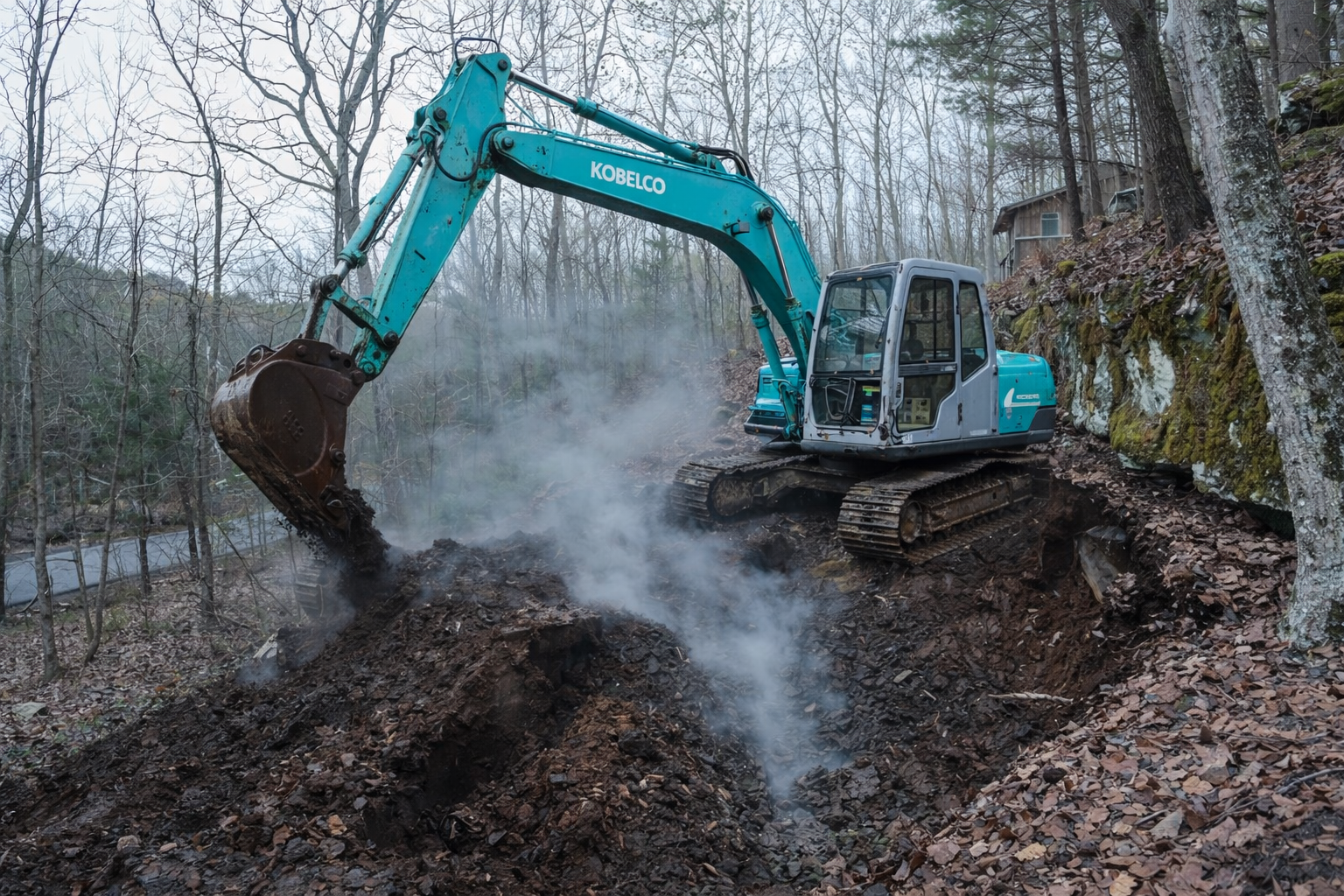
Once the site evaluation is complete, the land clearing process begins. This involves removing any trees, vegetation, or debris that could impede construction. Precision is key here—any oversight can lead to uneven terrain, affecting the stability of the structure. Experienced excavation professionals like those at DC Excavation use advanced machinery and techniques to ensure a clean and level foundation, ready for the subsequent phases of construction.
Trench Excavation for Utilities
Excavation is not solely about digging and clearing land; it also involves creating trenches for essential utilities. These trenches must be accurately measured and dug to accommodate various infrastructure components, such as water lines, gas pipes, and electrical conduits. Proper trench excavation prevents future disruptions and costly repairs by ensuring easy access to these utilities.
The Role of Excavation in Grading and Drainage
Grading is another critical aspect of excavation. Properly graded land prevents water pooling, which can lead to foundational damage or water intrusion. Our expert team at DC Excavation meticulously plans and implements grading strategies that promote effective drainage, safeguarding the construction site from potential water-related issues.
Foundation Excavation
Perhaps the most significant contribution of excavation to construction is the preparation of the foundation. The foundation’s integrity depends heavily on the precision and accuracy of the initial excavation. Our trained professionals at DC Excavation understand that even a minor mistake during this phase can affect the entire building. Therefore, we employ cutting-edge technology and proven techniques to ensure that each foundation excavation meets the highest standards of safety and precision.
Environmental Considerations
In today’s construction climate, environmental concerns are paramount. Excavation work must comply with sustainability practices, minimizing environmental impact while maintaining project efficiency. At DC Excavation, we prioritize eco-friendly methods and materials, ensuring our projects leave minimal environmental footprints.
The Path Forward: Turning Blueprints into Reality
In conclusion, the journey from blueprint to reality is complex and layered. Excavation is not just about moving soil and rock; it’s a critical process that sets the tone for the entire construction project. By understanding and executing each stage of excavation with precision, DC Excavation plays a pivotal role in transforming architectural plans into durable, stable structures.
For those planning a construction project, partnering with a knowledgeable excavation company like DC Excavation ensures the groundwork—literally and figuratively—is solidly in place. Our expertise ensures that each phase, from site evaluation to foundation preparation, is handled with the utmost professionalism and care. Let us help you lay the foundation for your next project, ensuring your vision becomes a reality with efficiency and precision.